
Here is one exhibition that touches all three main aspects of my life: dolls, fashion, exhibitions. The Museum at the Fashion Institute of Technology (MFIT), one of the best places to visit for fashion connoisseurs and anyone remotely interested in clothes, has put up an amazing show about dolls influencing fashion - and vice versa: Doll Dressing. And the best thing for me is that the museum got in touch to see if I would be interested in interviewing the exhibition curator, Dr. Colleen Hill, senior curator of costume at MFIT. How could I say no?
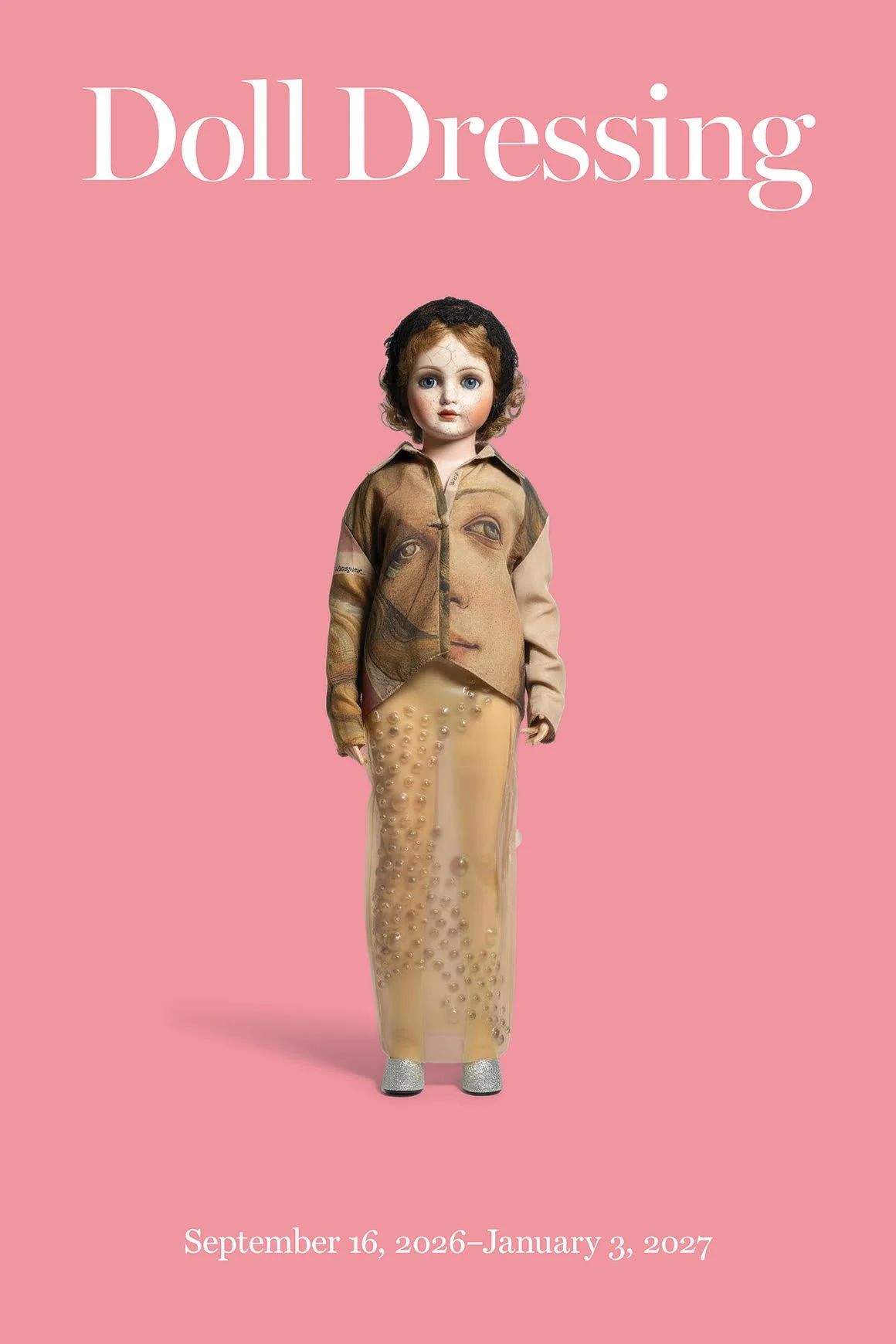
The exhibition poster
The groundbreaking exhibition examining the enduring and often unexpected relationship between dolls and fashion opened this month at The Museum at the Fashion Institute of Technology (MFIT). On view from September 16, 2026, to January 3, 2027, Doll Dressing centers of on the cultural interplay between dolls and dressed appearance in the 20th and 21st centuries. Featuring more than 170 objects—including fashion dolls displayed alongside full-size garments, accessories, videos, and artworks—the exhibition highlights how the influence of dolls extends far beyond childhood play. Curated by Dr. Colleen Hill, senior curator of costume at MFIT, Doll Dressing features designers and labels including Balenciaga, Comme des Garçons, Maison Martin Margiela, Marc Jacobs, Patrick Kelly, Loewe, Louis Vuitton, Moschino, Anna Sui, and Undercover, ultimately showing how dolls aren’t just toys—they’re muses, canvases, and even prototypes for designers. So you can imagine how thrilling doing this interview was for me, combining my love for fashion dolls, my fashion design love (and studies) and my actual day job (making exhibitions happen). Read the curator’s answers to my questions below.
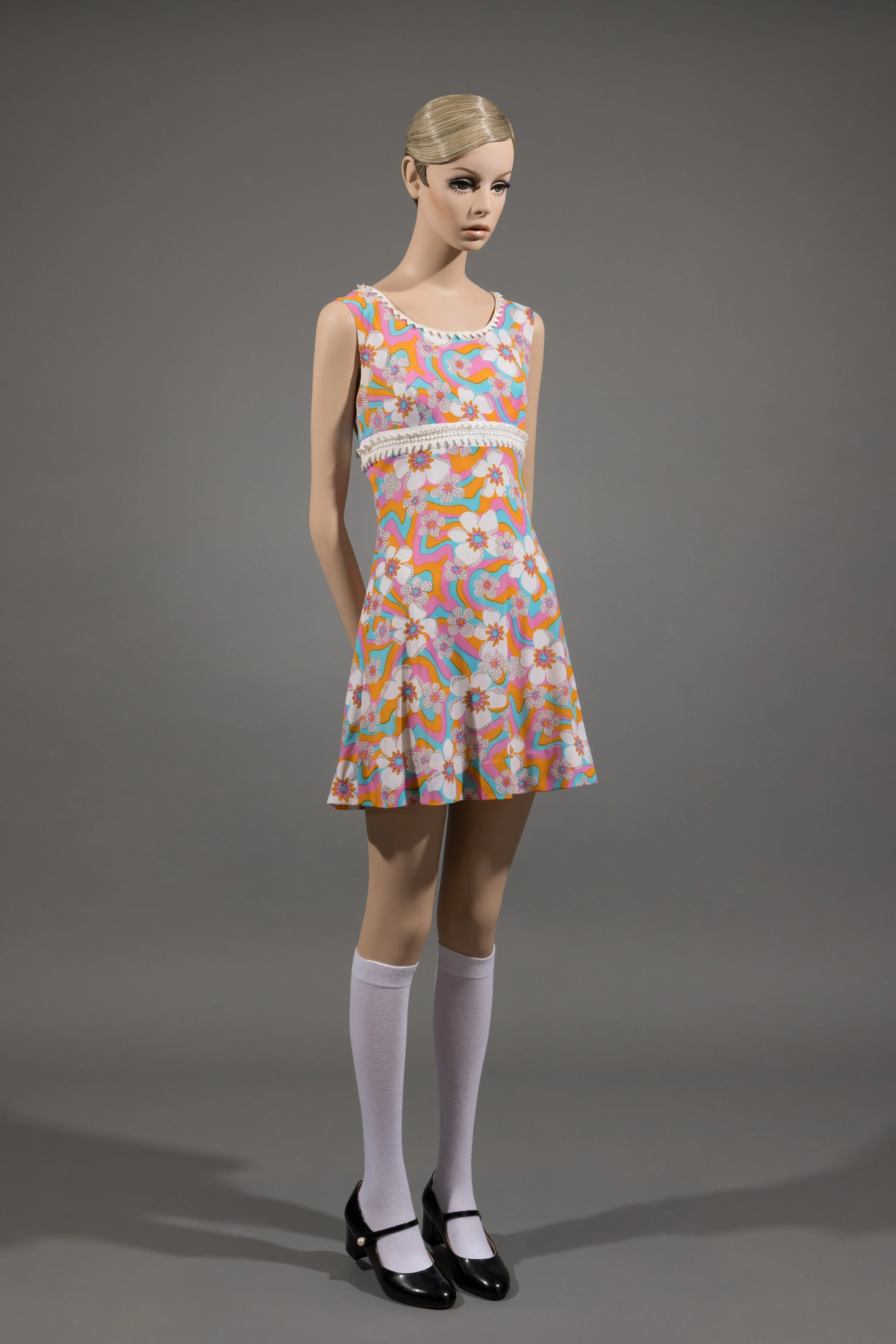
Twiggy London Girl, printed synthetic jersey dress, 1966, museum purchase.
Rootstein, Twiggy mannequin, 2025 remake of 1966 design, museum purchase.
SB: How did you decide upon the theme of this exhibition? It is double interesting for me, as I have a huge interest in fashion, having studied fashion design and pattern making, and I am also a fashion doll collector. So I know this will be a very exciting event for fashion doll collectors everywhere.
CH: A friend recommended that I listen to an episode of the New Yorker Critics at Large podcast at the end of 2023 about “The Year of the Doll.” I’ve always loved dolls, but I didn’t want to do an exhibition that was solely about fashion dolls. This podcast inspired me to consider how I could represent the idea of a living doll in a fashion exhibition, and perhaps add to the story of fashion dolls.
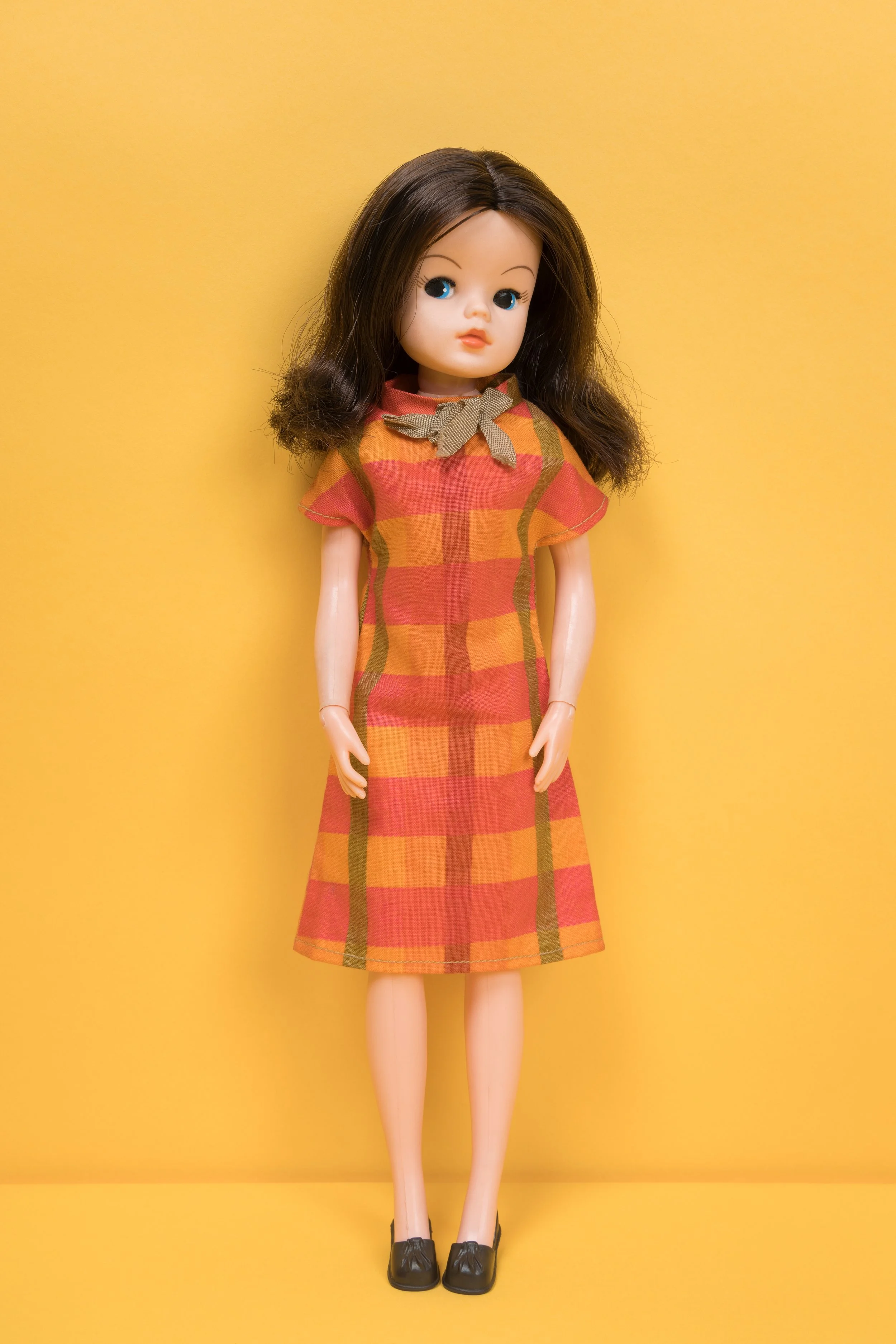
Pedigree, Sindy doll, 1979, wearing “Summery Days” dress by Foale and Tuffin, 1963, private collection.
SB: Another reason I am very excited about the exhibition is that my day job is designer and project manager for an architecture practice that half its projects are permanent and temporary museum exhibitions. How did you arrive at the sections and the design of this exhibition?
CH: The sections were the result of a full year of research into magazine editorials, books, and runway collections. I documented the ways that dolls were represented and noted which themes came up regularly, like paper dolls. As a curator, I need physical objects to represent ideas, so I started to explore MFIT’s collections and look online for new acquisitions. I also borrowed some incredible dolls and garments from domestic museums and design houses from around the world. The design was shaped by the architect we work with, Kimberly Ackert, referencing a dollhouse. I asked for some details like a dollhouse-shaped case for miniature objects and a life-size fashion wardrobe case.
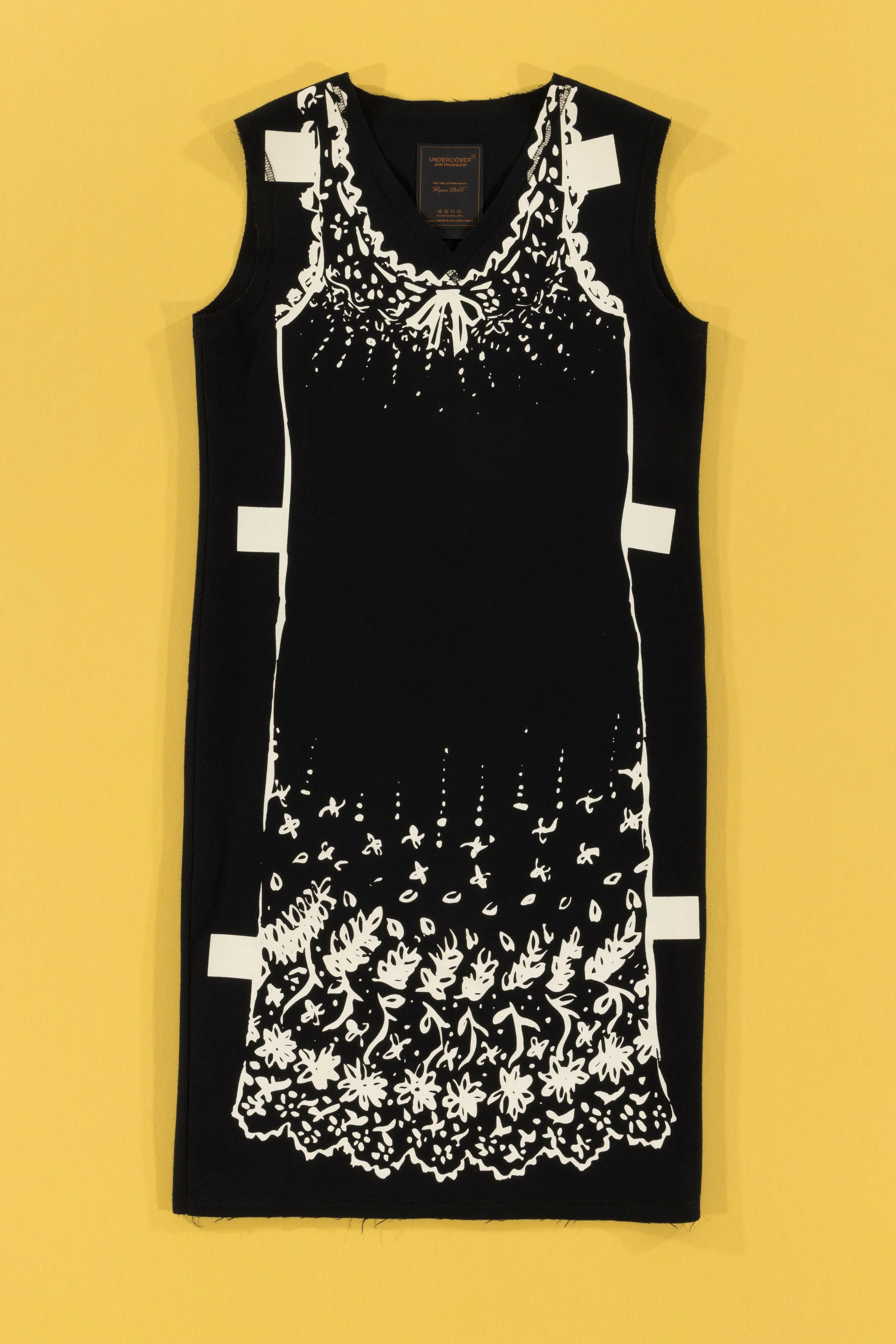
Undercover (Jun Takahashi), printed wool dress, fall 2003, gift of Patricia Pastor.
SB: What is the story that you hope this exhibition tells to the visitors?
CH: Much of what we consider to be the quintessential fashion doll is based on the appearance of 19th-century porcelain dolls or Barbie, which seems quite limiting at first. In reality, there are many ways to make that look one’s own and subvert the idea of the stereotypical doll, making the topic of doll dressing really inclusive. Doll dressing is centered on fantasy, play, and self-expression, and I argue that we can all be dolls (if we choose to be!).
SB: Your argument that we can all be dolls (if we choose to be!) immediately brought to mind the fashion doll collectors that have a doll in their collection that is the miniature version of themselves – dressed and coiffed to look like them. Is this aspect referenced at all in the exhibition?
CH: That idea is referenced in the "We Love Dolls" video created from crowdsourced entries. One contributor illustrates how he customized Bratz Boyz dolls to look like him and his partner, right down to a tiny Balenciaga bag.
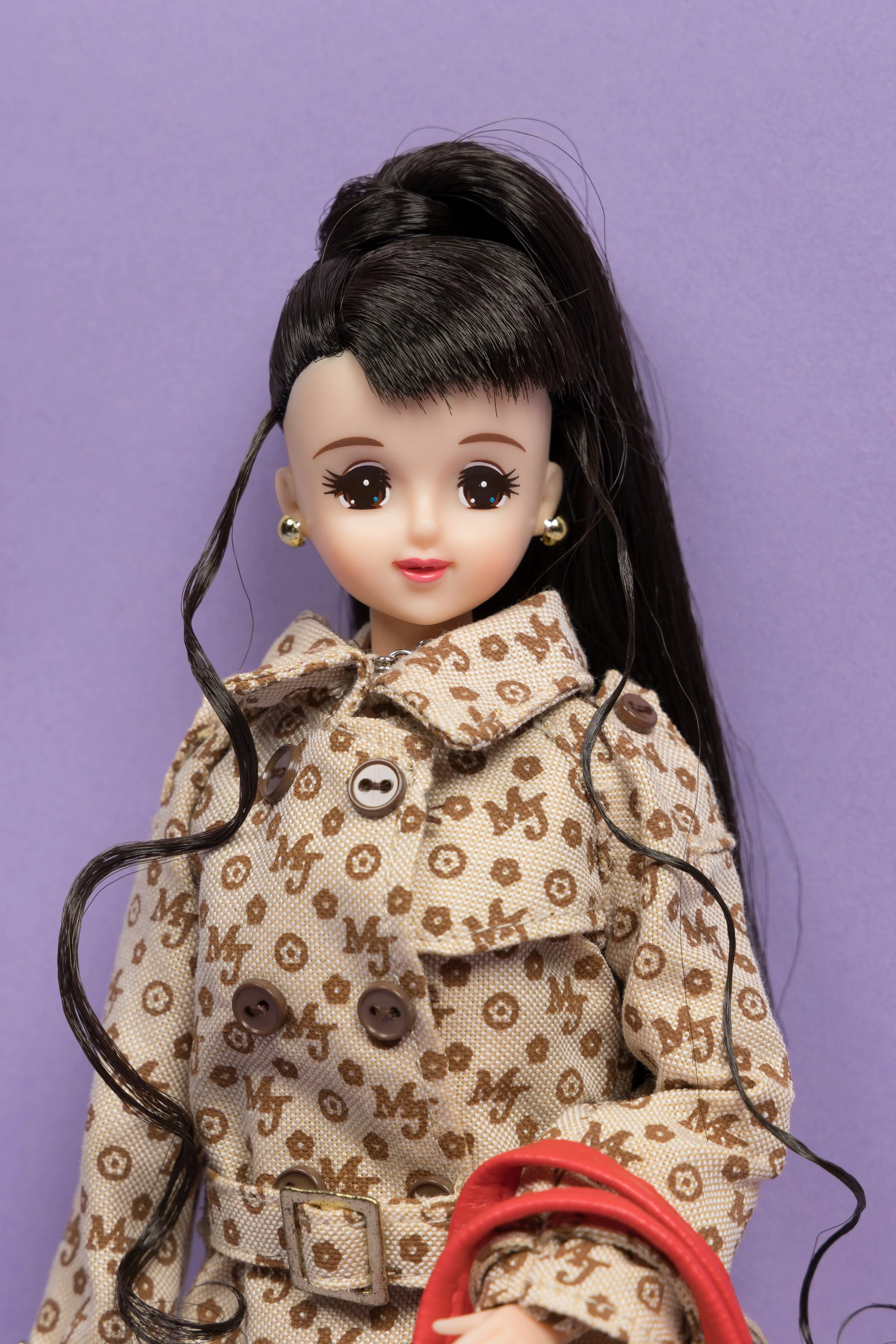
Takara, Miss Jenny doll, 2000, private collection.
SB: What was the research process like?
CH: The research process was quite intense, because the idea was original. I looked into the history of dolls, of course, but I also had to dig deep to find references to dolls in fashion, magazines, films, music, and popular culture more generally. It’s very much like putting together pieces of a puzzle. It was a lot of work, but I prefer topics that are well outside the pages of a fashion history book.
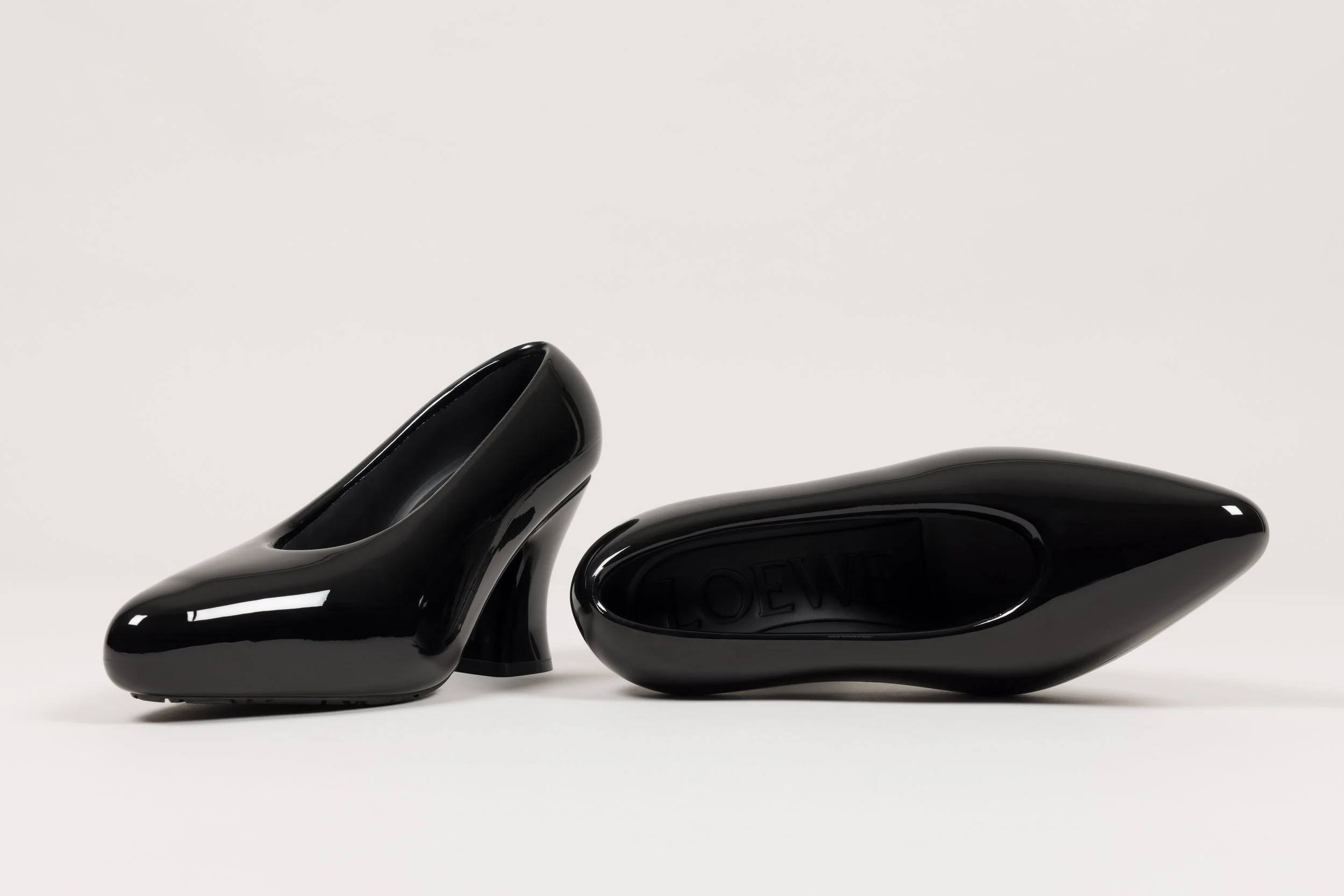
Loewe by Jonathan Anderson, black vinyl lacquered foam “doll” shoes, spring 2023, museum purchase.
SB: Did you use your personal style as a curator to develop this exhibition’s theme? What was your experience with fashion dolls growing up and later on?
CH: I am not a doll dresser per se, but I have always loved 1960s fashion. I suppose you could say I dressed in the “dolly bird” style when I was younger. I played almost exclusively with dolls as a child, and most of those were fashion dolls. I loved Barbie, and I had some dolls I found in antique shops, such as Dawn and Penny Brite. I really enjoyed making paper dolls, too. My father traveled the world for work, and he would always bring me a doll from the countries he visited. Now that I’m older I understand what a hassle it must have been to carry those back to the States, so I really appreciate his devotion!
SB: What happened to your childhood fashion dolls? Especially those your father brought from his trips?
CH: I don't have any of my Barbies or my vintage fashion dolls, sadly, but I still have all of the dolls my father bought for me. Since I live in a New York City apartment, I still store them at my mother's house, but I hope to display them again one day.
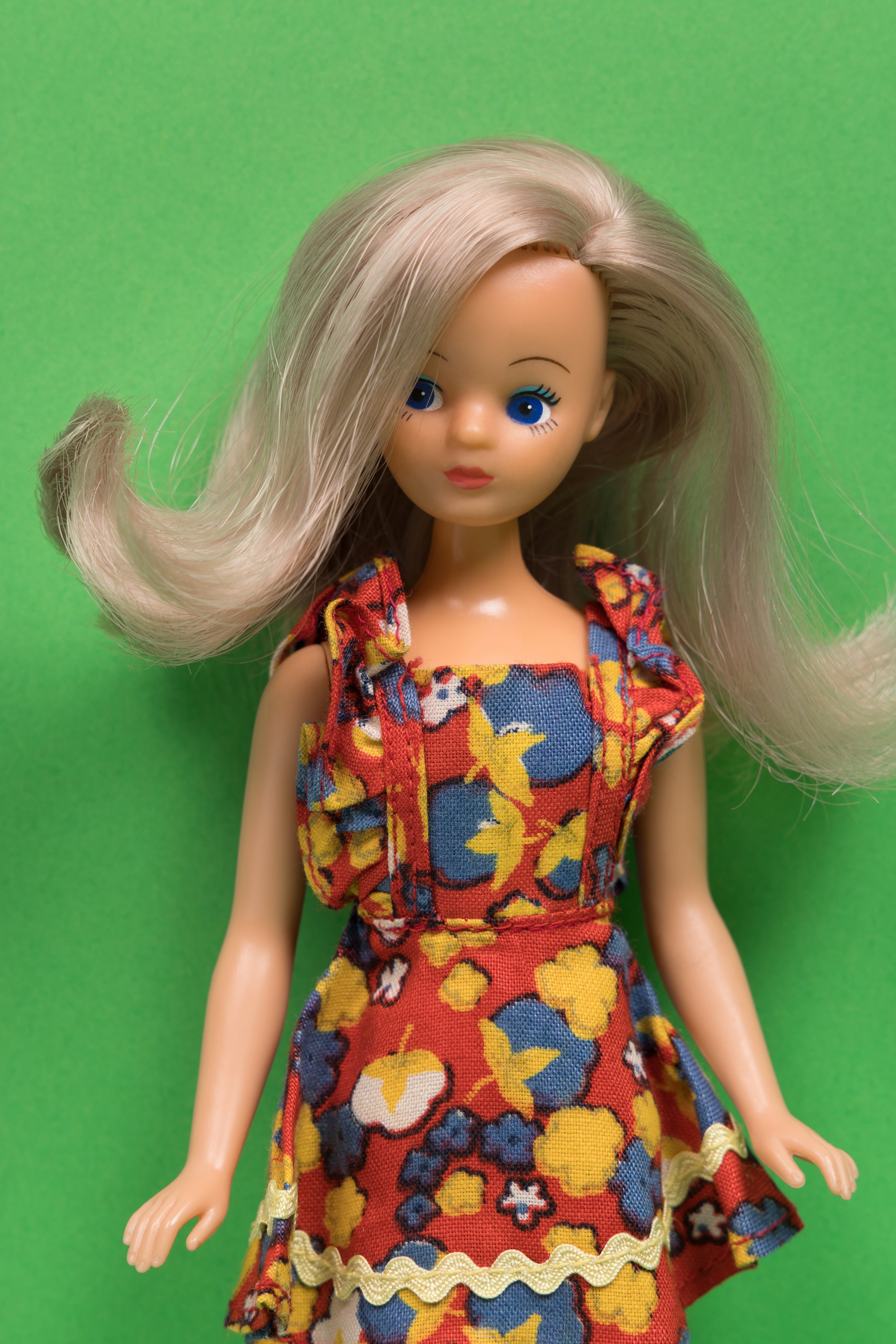
Model Toys/Flair Toys, “Daisy” doll, 1970s, wearing "Meadowsweet" dress by Mary Quant, private collection.
SB: Talking about Mary Quant and Daisy, I was lucky enough to see the V&A exhibition dedicated to her and they had a nice section dedicated to Daisy. Now we can see the Quant fashions and 60s style, which you mentioned is your favourite, on Poppy Parker, La Poupee Anouk and Argigi dolls. Have you seen any of those?
CH: Oh yes! I love all of those dolls. They aren't featured in the exhibition, but only because I had limited space and needed to highlight so many full-size clothes as well.
SB: Are there many examples of real life fashions in miniature versions at the exhibition? I noticed there is a Jason Wu doll included, did you have a chance to contact him for this exhibition? I know he would be thrilled. I have many of his dolls, with or without real life miniatures of his fashions.
CH: Yes, there is a section titled “Modes in Miniature” that pairs full-size runway fashions with doll-size replicas. I did contact Jason Wu, and he lent a doll and a matching gown for the exhibition. I absolutely love his doll-making story and his work!
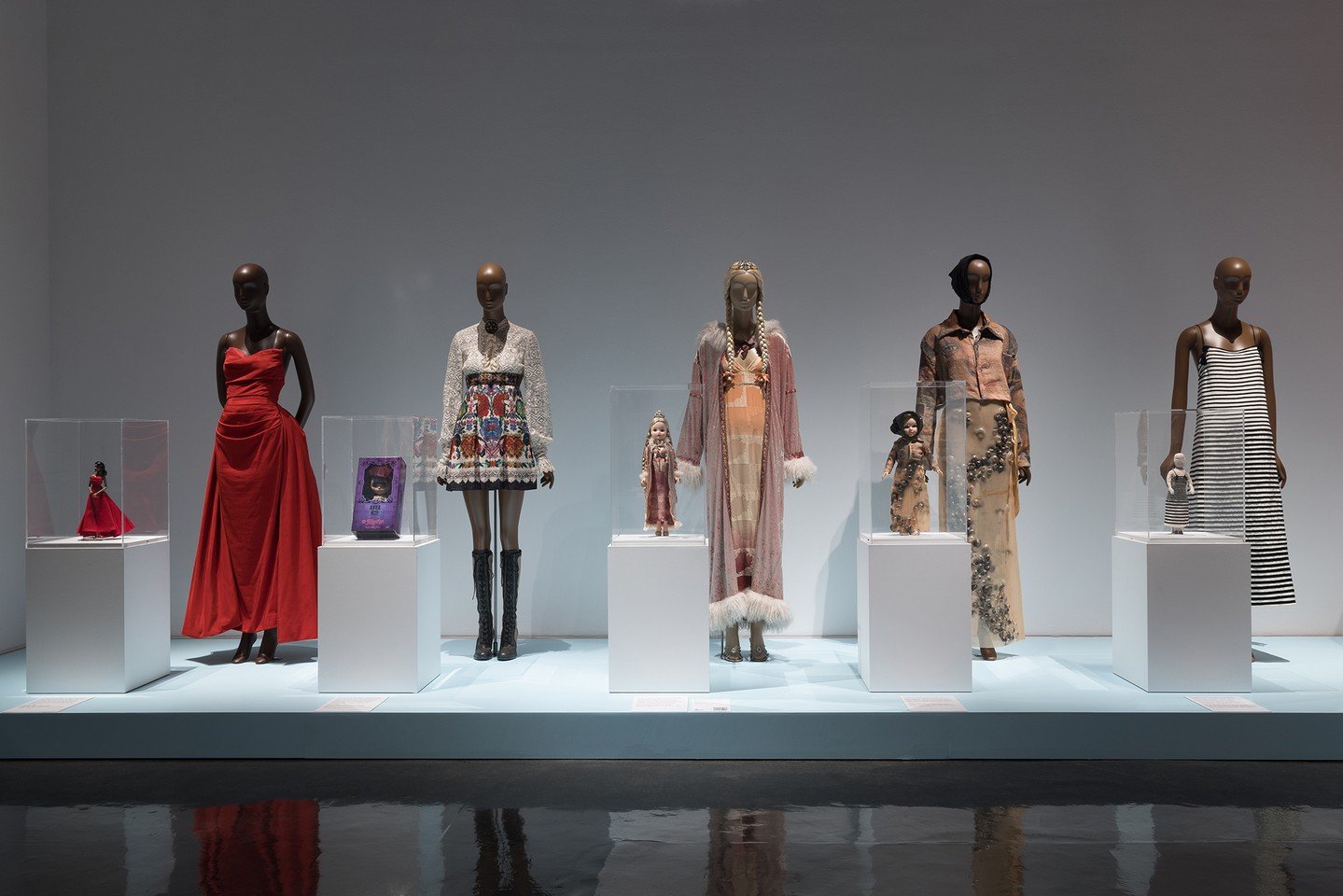
The Modes In Miniature section - Jason Wu’s dress first from left, with Mars Rising Anais right in front of it.
SB: There is always the fact that Barbie overshadows any mention of fashion dolls, while in fact she's only a part of this immense subject. How did you approach this for the exhibition?
CH: I love Barbie, as I mentioned, but there have already been many great books and exhibitions on Barbie style. I certainly include Barbie in Doll Dressing, but there are many other dolls to consider! I start the designer/doll crossover story with Sindy, whose earliest clothes were made by the hip young design duo Foale and Tuffin. They and Mary Quant’s Daisy set the stage for Barbie’s many designer collaborations in the future.
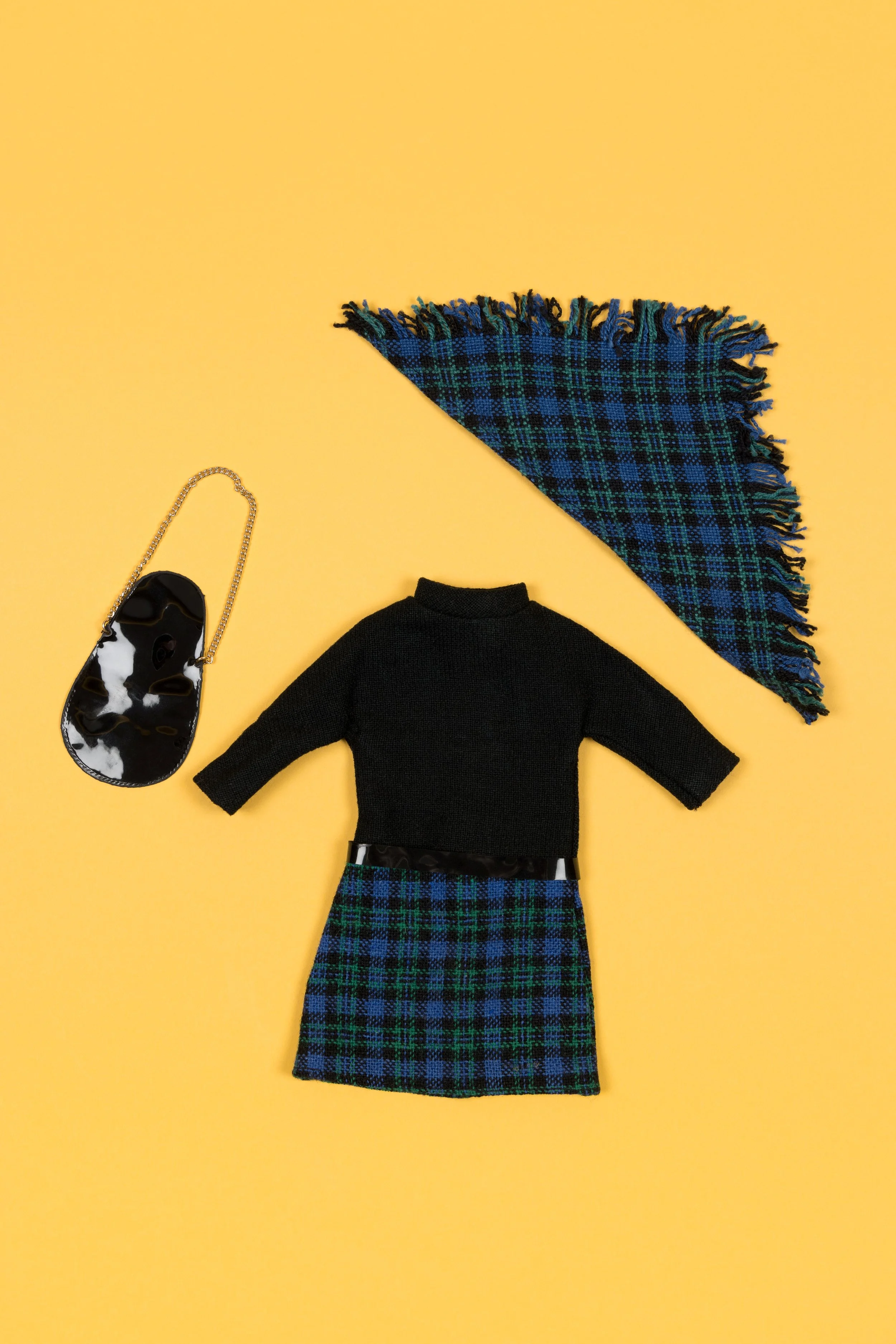
Pedigree, Sindy doll’s “Lunch Date” ensemble by Foale and Tuffin, 1963, private collection.
SB: One very interesting part of the exhibition is The Dollhouse – how did you decide to include this section?
CH: There are some interesting clothes made to look like houses, such as Lirika Matoshi’s “Apartment” coat that went viral a couple of years ago. I enjoyed thinking about the similarities between clothing and houses. Both are meant to protect and shelter, but fashion and dollhouses upend those ideas—fashion is as much about aesthetics as function, and dollhouses are too small to be a human dwelling. Detail and artisanship are also very important to both fashion and dollhouses. In addition, there are really fun examples of fashion/dollhouse crossovers, such as a Louis Vuitton trunk that opens to reveal a fully-furnished dollhouse.
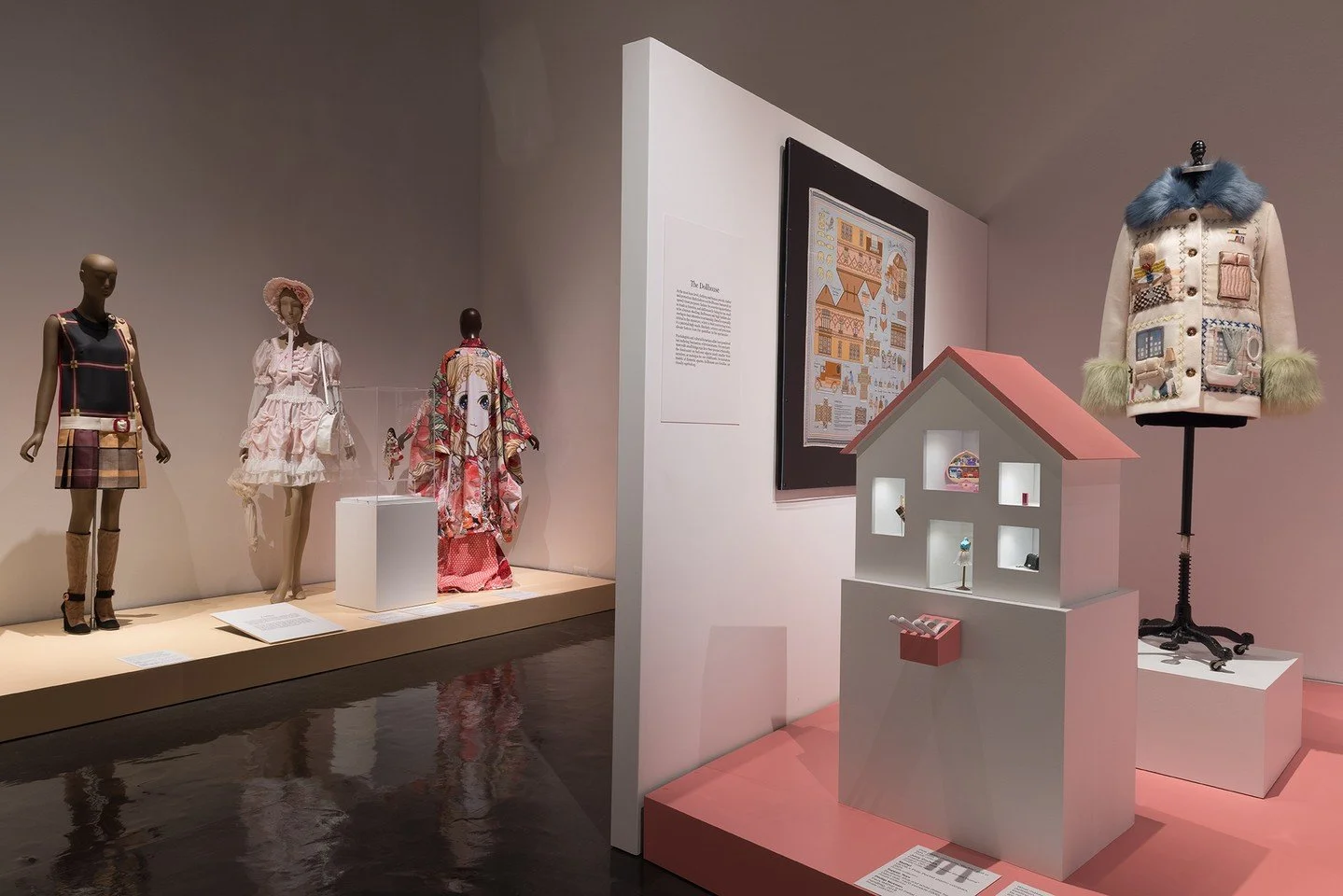
The Dollhouse section, with Lirika Matoshi’s “Apartment” coat on the right.
SB: Seeing that a Broken Dolls section is part of the exhibition, my mind went immediately to the Weird Barbie character (and subsequent doll) from the Barbie movie. She kind of represents the hand me down dolls who have “suffered” a lot of transformations in the hands of children playing with them. Did this aspect enter the section at all?
CH: I don’t address that in Broken Dolls – that section is more about deliberately fashioning oneself as a broken or scary doll through references to horror, Hans Bellmer, and the Kinderwhore style. I do feature a Jeremy Scott look in “Playing with Dolls” that is about the well-loved doll who is beautifully imperfect. My crowdsourced project “We Love Dolls” also includes the story of a mother who turns her son’s abandoned Barbie into an art piece, and she made her own connection between her work and “Weird Barbie.”
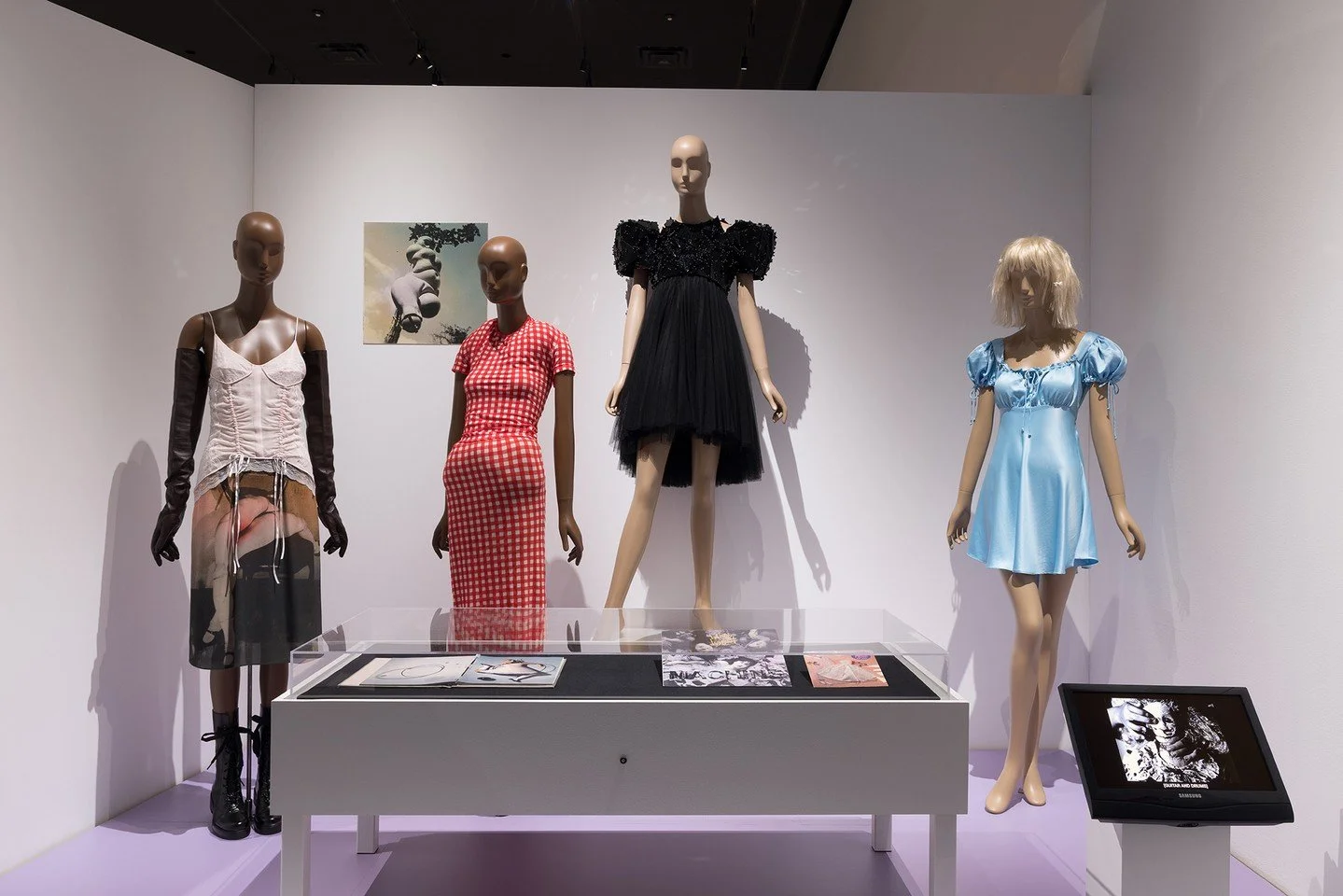
Broken Dolls section, the second dress from the left is Comme Des Garcons and the one on the far right is Love, Courtney x Nasty Gal, pale blue satin baby doll dress, 2016, museum purchase.
SB: I am happy to see some of my favourite fashion designers featured in the show, like Comme des Garçons, Maison Martin Margiela, Marc Jacobs, Patrick Kelly, Loewe, Moschino, Anna Sui and others. Many of these have dolls commercially released wearing their fashions (Anna Sui, Moschino) and some have taken Barbie dolls and made their own one-of-a-kind dolls like Martin Margiela. Tell me more about how these designers are part of the exhibition and if they have the corresponding dolls in it as well.
CH: Two Anna Sui looks are paired with their matching dolls, and I also include the new Anna Sui Barbie in the exhibition. I also feature the Moschino Barbie and Ken boxed set. Patrick Kelly’s work is represented by one of the little Black baby dolls he turned into pins and gave out at his fashion shows. The other designers you mention are not represented by dolls, but by fashion that has taken inspiration from dolls.
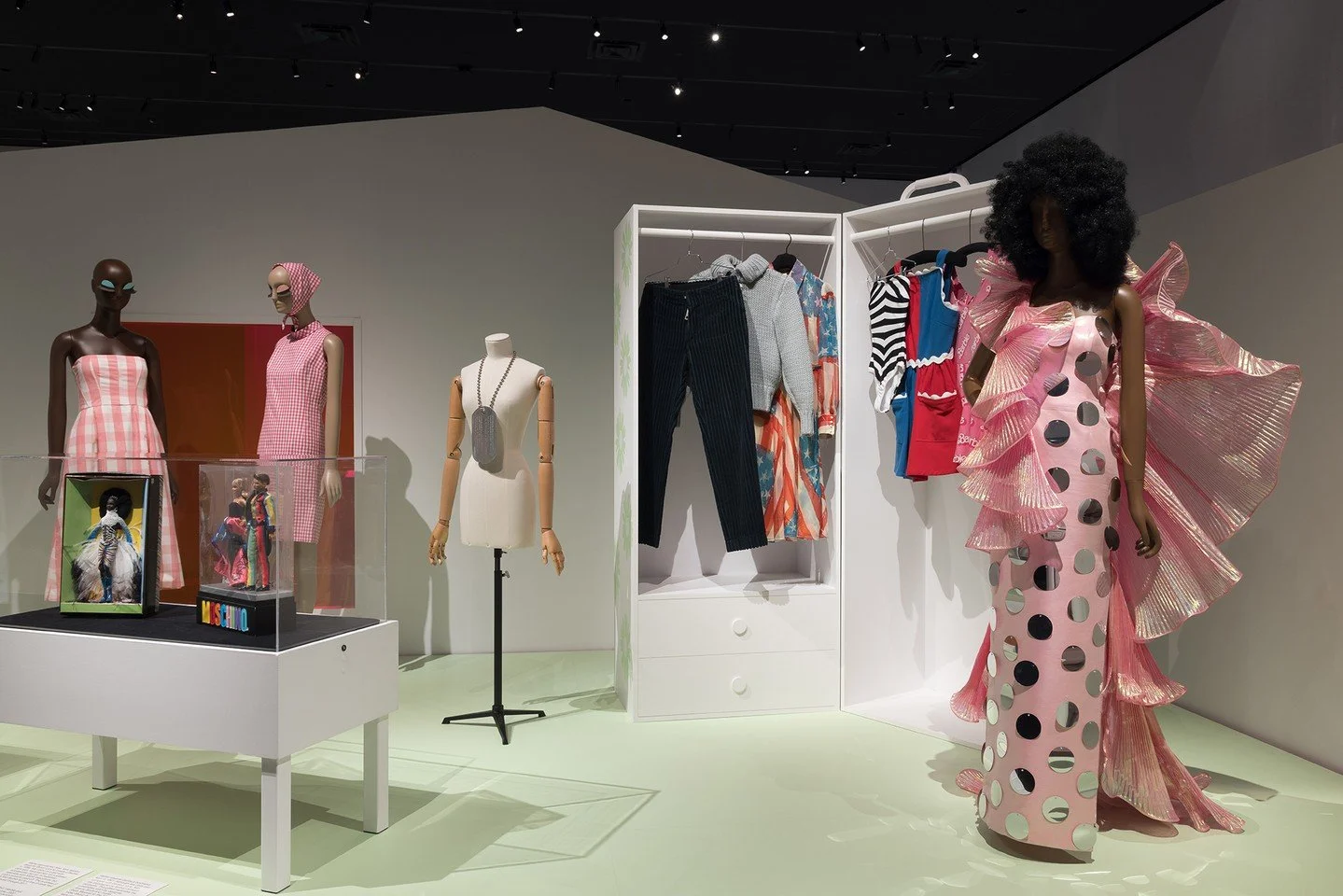
You can see the Moschino Barbie and Ken set on the left next to a Byron Lars Barbie.
SB: One very important moment for fashion and fashion dolls alike, was the Théâtre de la Mode touring exhibit, from 1945 to 1946. Is any of the dolls part of the exhibition? Some of the fashions featured in that show were recreated for commercial fashion dolls by Robert Tonner Doll.
CH: The Théâtre de la Mode dolls are too fragile to travel, but the Maryhill Museum of Art, where they are housed, was very generous in sharing information about them. I was able to borrow two of the “Gratitude Train” or “Merci Train” dolls for the exhibition, which are in the collection of the Brooklyn Museum. The dolls themselves are the same as the Théâtre de la Mode (the style by Éliane Bonabel), but they were historicized garments from prominent French couturiers. I borrowed the “1808” style by Madame Grès and the “1878” design by Jeanne Lanvin. These dolls, from 1949, were sent from France to the United States as part of a thank-you gift for U.S. support during World War II.
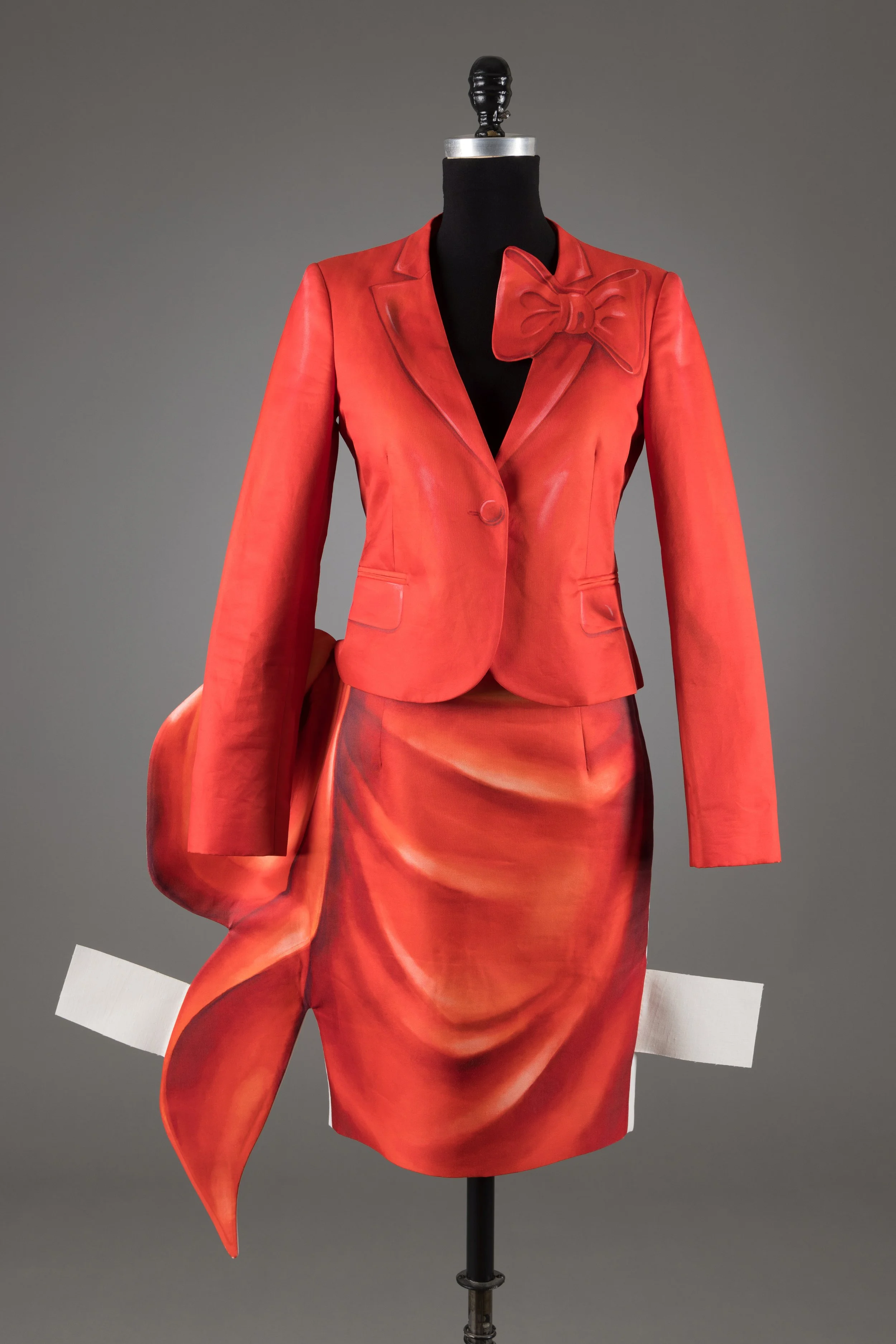
Moschino by Jeremy Scott, jacket and skirt with trompe l’oeil print and “paper doll” tabs, spring 2017, museum purchase.
SB: If you had to pick only one item from the exhibition to communicate it to the world, what would that be and why?
CH: A reproduction of a Rootstein Twiggy mannequin wearing a dress from her own line, Twiggy London Girl, encapsulates the exhibition well. My broad definition of a fashion doll – as a humanoid figure whose clothes are meant to be changed – is inclusive of display mannequins. I consider Twiggy to be the ultimate “dolly bird.” Her slight build and wide eyes made her look like a doll, and the fashion press often portrayed her as a “dumb dolly.” In reality, she was levelheaded, witty, and professionally savvy. Looking like or dressing like a doll does not equate to being vapid, and that’s one of the most important points of the exhibition.
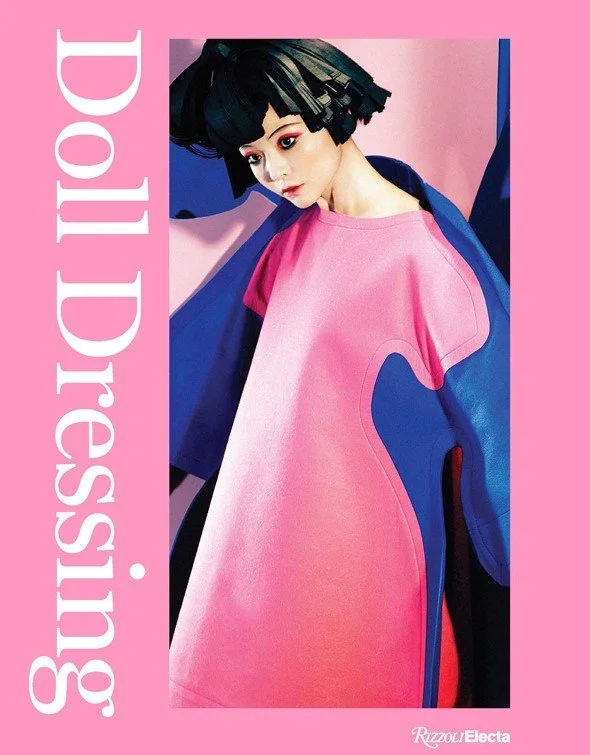
The accompanying publication cover
The exhibition is accompanied by the publication Doll Dressing (Rizzoli, October 2026). In addition to seven richly illustrated chapters by Dr. Colleen Hill, the book includes essays by leading scholars, such as Dr. Elizabeth Way, MFIT curator of costume and accessories, and Dr. Valerie Steele, MFIT director and chief curator, interviews designers Martin Margiela, Viktor & Rolf, and Jun Takahashi, offering deeper insight into the role of doll motifs in their work.
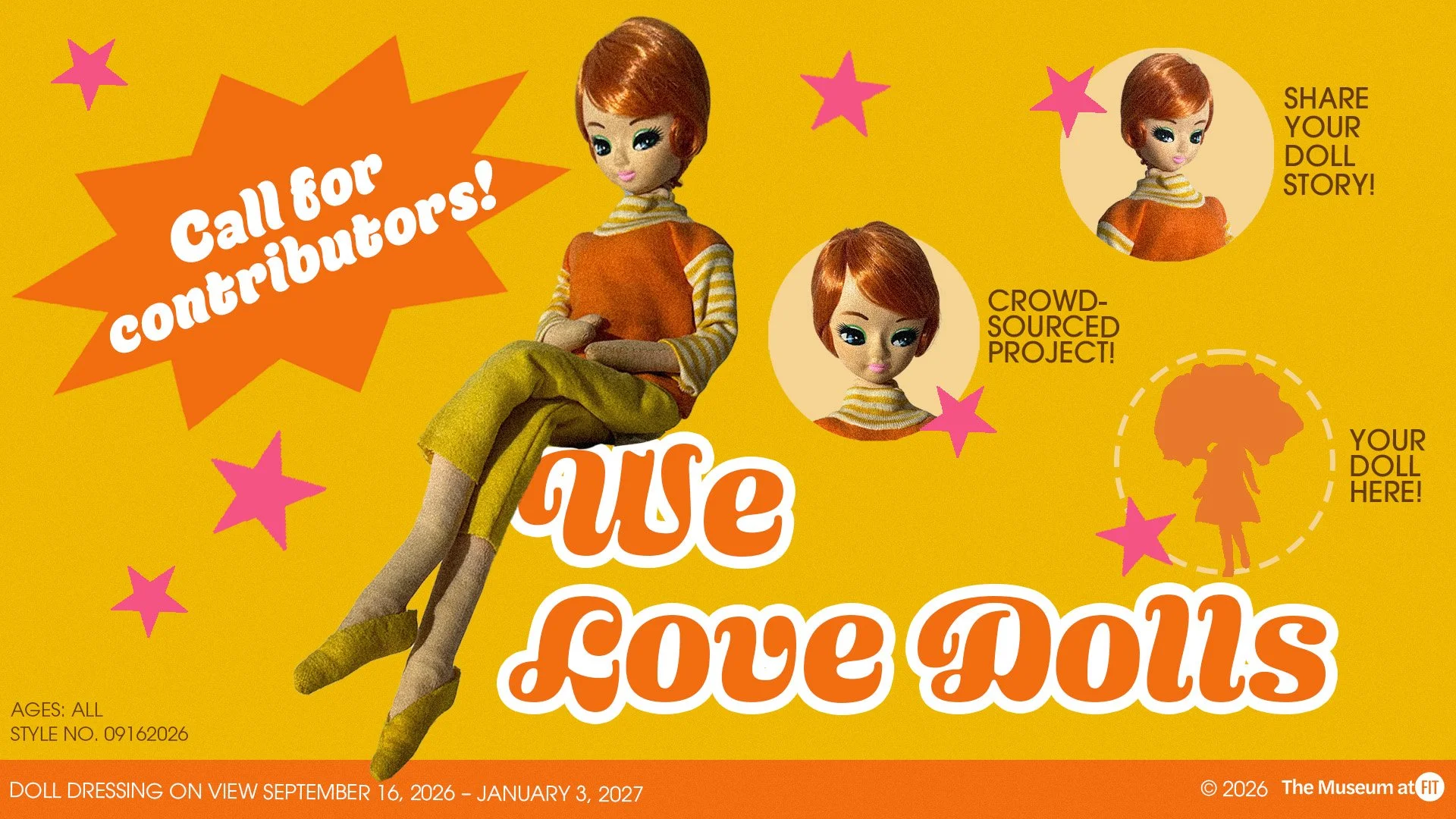
You can share your fashion doll passion with The Museum at FIT through their special contributors submission page for a special Tumblt project, We Love Dolls. Also read the exhibition brochure here. You can also have the dolls themselves as your guides. Follow along on a digital guide on Bloomberg Connects, the free arts an culture app, to hear what they might say about their past. I would have recommended the two workshops related to the exhibition but they are already sold out! The museum will host a Doll Dressing symposium on November 13, 2026, at FIT’s Katie Murphy Amphitheatre. This daylong program, free and open to the public, will feature leading scholars and designers in conversation with Dr. Colleen Hill and others. I am so jealous of anyone that attends the exhibition and any of the events - have fun!